

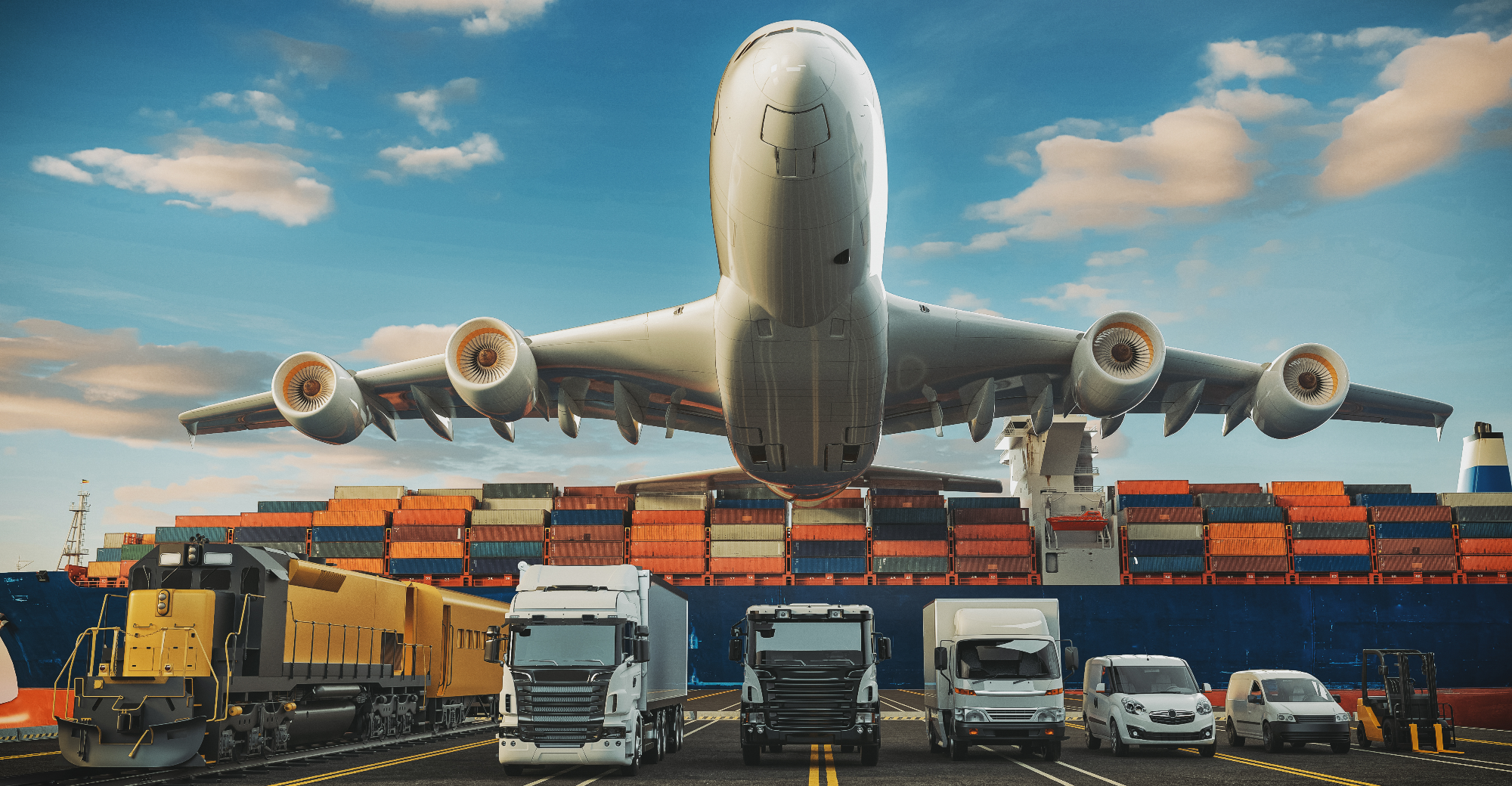
In today’s interconnected world, international trade and commerce are at an all-time high. Businesses and individuals alike rely on the swift and efficient movement of goods across borders, and international air freight, an integral component of the broader logistics industry, plays a pivotal role in this global connectivity. In this article, we delve into the intricate world of international air freight, exploring its significance, processes, challenges, and its interconnectedness with international logistics, cargo handling, and the dynamic field of international moving.
The Significance of International Air Freight in Global Logistics
International air freight, a sub-sector of the logistics industry, is the process of shipping goods via aircraft to destinations across the globe. It offers unparalleled speed, reliability, and connectivity, making it an indispensable component of international trade and logistics. From perishable goods to high-value cargo, air freight ensures that products reach their destinations swiftly and securely.
Australia’s Position as a Hub for International Logistics
Australia, due to its geographical location and advanced logistics infrastructure, serves as a pivotal point in the global air freight and logistics network. With major international airports like Sydney, Melbourne, and Brisbane, the country boasts excellent connectivity to key global markets, including Asia, Europe, and the Americas. This strategic advantage has made Australia a prime location for businesses and individuals looking to tap into international markets or embark on international moving endeavors.
The Intricate Process of International Air Freight and Cargo Handling
Booking and Documentation: The process commences with booking cargo space on a flight. Detailed documentation, including bills of lading and customs declarations, is meticulously prepared to ensure compliance with international regulations, a crucial aspect of the broader logistics framework.
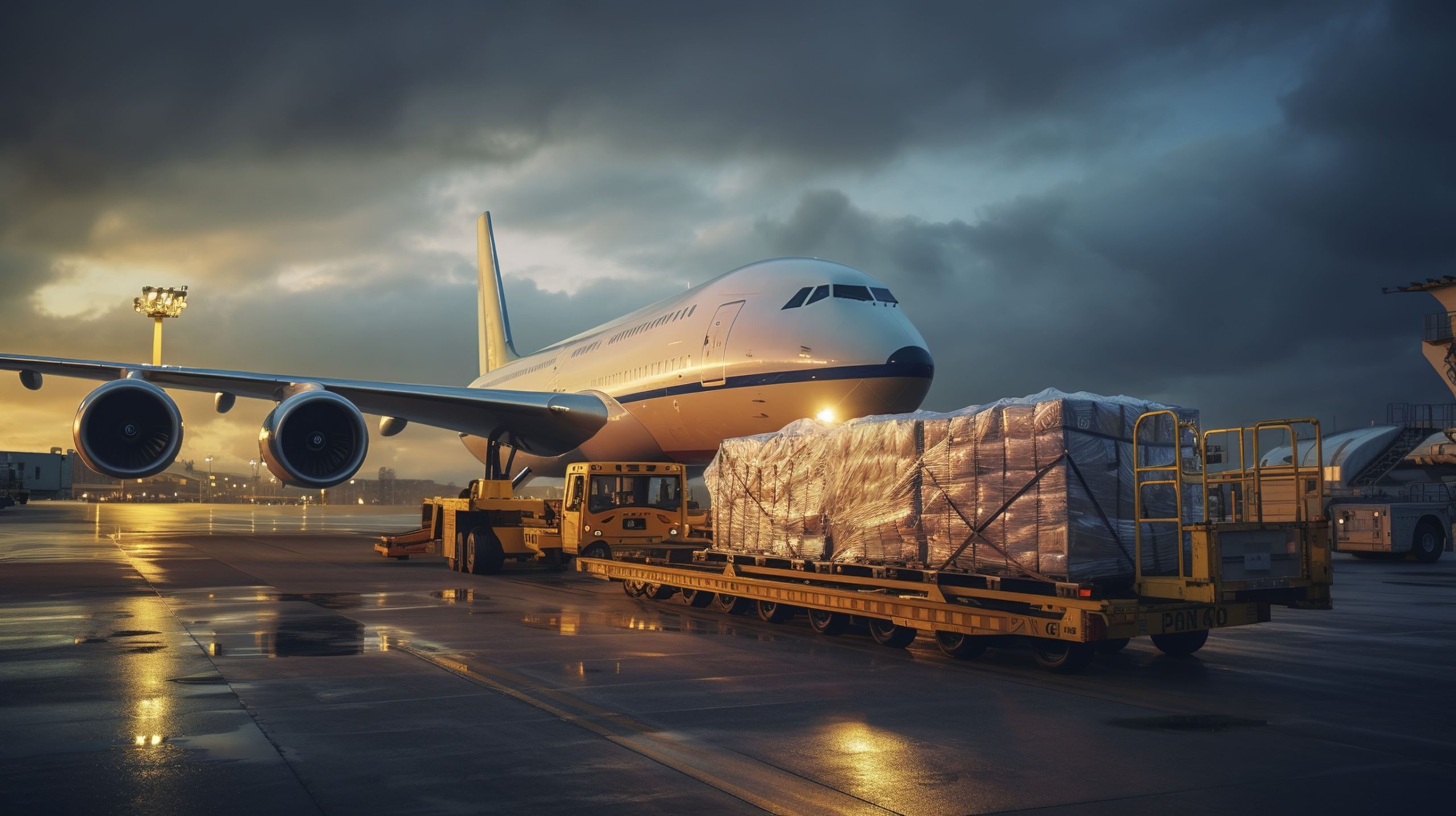
Cargo Handling and Security: Cargo is then meticulously prepared and transported to the airport for loading onto aircraft. This step demands careful cargo handling, especially for fragile or high-value items, emphasizing the pivotal role of cargo handling within logistics.
Air Transportation*: Once on board, the cargo is swiftly transported to its destination. Air freight services offer a range of options, from standard to express deliveries, catering to the diverse needs of the logistics and international moving industries.
Customs Clearance and International Regulations: Upon arrival, meticulous customs clearance procedures are completed to ensure compliance with the importing country’s regulations, underlining the significance of international regulations in logistics and international moving.
Final Delivery within International Moving and Logistics*: After customs clearance, the cargo is transported to its final destination, whether it’s a warehouse, retail outlet, or the doorstep of an end customer, highlighting the seamless integration of air freight within the broader logistics and international moving processes.
Challenges and Innovations in International Air Freight and Logistics
While international air freight offers numerous advantages, it also comes with its share of challenges and innovative solutions:
Cost Efficiency in Logistics: Air freight, often perceived as more expensive, can be a significant factor for businesses. Innovations like optimized cargo loading and routing are addressing this challenge within the logistics sector.
Environmental Sustainability: Aircraft emissions contribute to greenhouse gases. The industry is actively working on reducing its environmental footprint through sustainable practices, a critical focus within logistics, cargo handling, and international moving.
Capacity and Space Management in Logistics: Limited cargo space on aircraft can lead to capacity constraints, especially during peak seasons or in times of crisis, such as the COVID-19 pandemic, necessitating advanced capacity management techniques within logistics.
Security and Safety in International Moving*: Ensuring the safety and security of air freight is paramount, given the heightened scrutiny of air cargo in response to security concerns, emphasizing the significance of robust security measures within international moving and logistics.
The Role of Technology in Air Freight and Logistics
Advancements in technology have revolutionized international air freight, logistics, cargo handling, and international moving. From real-time tracking and tracing of shipments to automated customs processes, technology has made the logistics industry more efficient, transparent, and customer-centric. These innovations have also enhanced security, compliance, and the precision of international moving.
The Future of International Air Freight and Logistics
Looking ahead, the international air freight and logistics industries are expected to continue evolving. The development of new aircraft, the growth of e-commerce, and the ongoing need for rapid global trade will all shape its future. Furthermore, addressing environmental concerns and implementing sustainable practices will be key priorities in international moving and logistics.
In conclusion, international air freight is a vital component of global trade and logistics, connecting people, businesses, and markets worldwide. Australia’s strategic location makes it a critical player in this dynamic industry, further reinforcing the role of logistics and cargo handling within international moving. While challenges persist, technological advancements and a focus on sustainability will ensure that international air freight and logistics remain crucial and efficient modes of cargo transportation and management in the years to come.
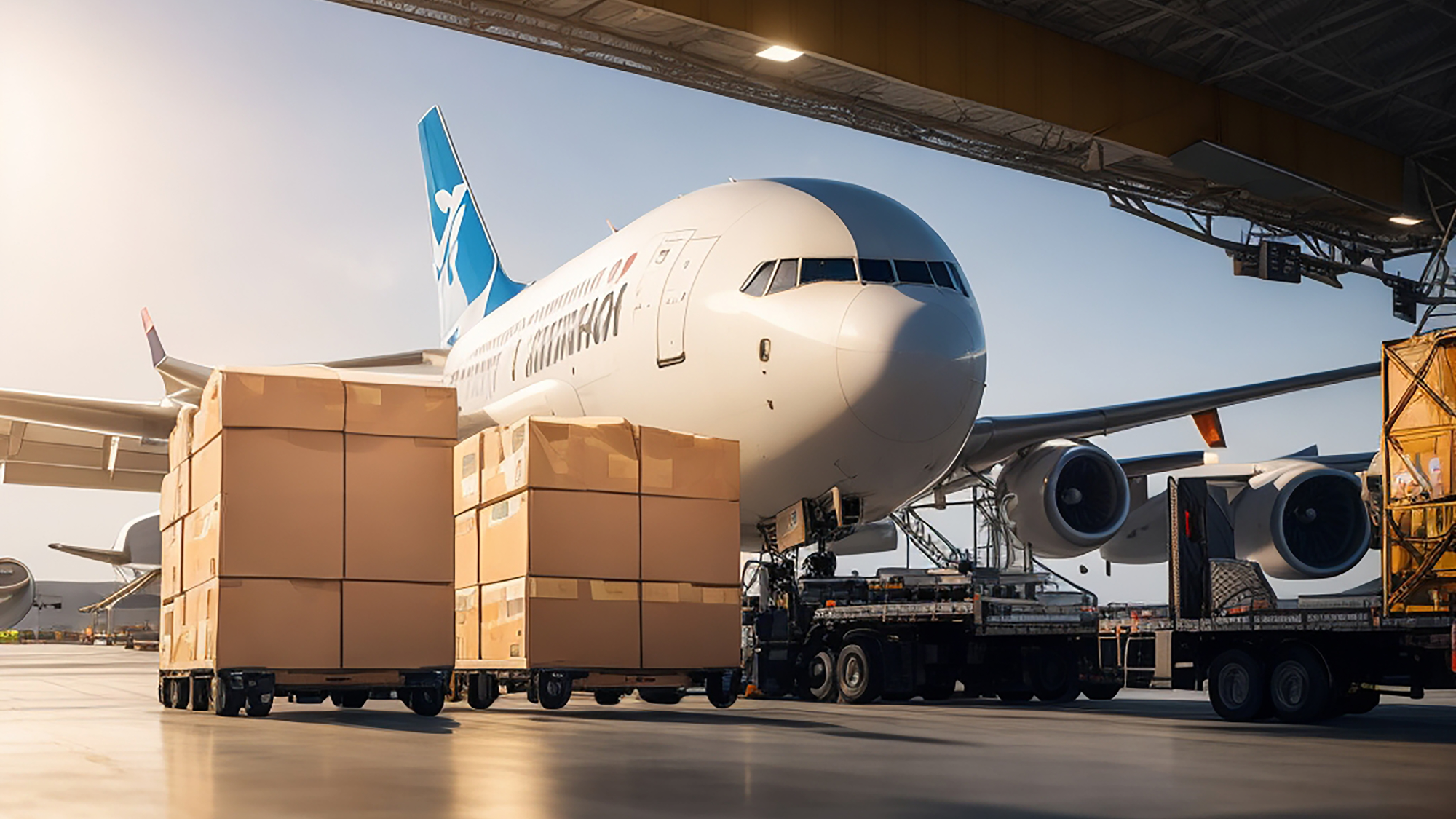
Air freight, a key player in the logistics and transportation industry, offers unique advantages and disadvantages for businesses and individuals involved in international trade, shipping, and cargo transportation. In this in-depth article, we will delve into the pros and cons of air freight, providing you with a comprehensive understanding of this fast-paced and dynamic mode of transportation.
The Pros of Air Freight
Speed and Efficiency: One of the most significant advantages of air freight is speed. Aircraft can transport cargo across vast distances in a matter of hours. This makes air freight ideal for time-sensitive shipments, ensuring that products reach their destinations swiftly.
Reliability: Airlines have a strong track record of reliability. They adhere to strict schedules, making it easier to plan and predict delivery times accurately.
Global Connectivity: Air freight offers a worldwide network of routes, connecting even the most remote locations. This expansive reach is invaluable for businesses looking to tap into international markets.
Reduced Inventory Holding Costs: Fast transit times in air freight can help businesses reduce the need for extensive inventory stockpiles. This efficiency can lead to cost savings.
High-Value Cargo: Air freight is a preferred choice for shipping high-value and perishable goods, thanks to its quick and secure transportation.
Customs Clearance: Airports are typically equipped with advanced customs facilities, facilitating faster clearance and reducing the risk of cargo delays due to regulatory issues.
The Cons of Air Freight
Cost: Air freight is generally more expensive than other modes of transportation like sea or road. The premium price tag can be a significant drawback, particularly for businesses with budget constraints.
Limited Capacity: Cargo space on aircraft is limited. During peak seasons or exceptional circumstances, securing space can be challenging, which can lead to shipment delays.
Environmental Impact: Aircraft emissions contribute to greenhouse gases, making air freight less environmentally friendly than other transportation options. Businesses and individuals focused on sustainability may find this a concern.
Weight and Volume Restrictions: Air freight carriers often impose weight and volume restrictions on cargo, which can be limiting for certain types of goods.
Security Concerns: The speed and efficiency of air freight can attract the attention of individuals or groups with malicious intent. Ensuring the security of cargo is a critical consideration.
Regulatory Complexity: International air freight involves complex regulations and customs procedures. Navigating these requirements can be daunting, particularly for those new to the industry.
Conclusion
Air freight, with its remarkable speed and global reach, offers indispensable advantages for many businesses and individuals involved in international trade and cargo transportation. However, the costs, limited capacity, environmental concerns, and regulatory complexities pose significant challenges. Choosing air freight as a transportation method should be a well-considered decision, taking into account the nature of the goods being shipped, budget constraints, and sustainability goals.
In conclusion, the pros and cons of air freight present a complex and nuanced landscape for those engaged in logistics and international trade. Careful assessment of individual needs and priorities is essential when deciding whether to embrace the efficiency of air freight or explore alternatives within the transportation industry.